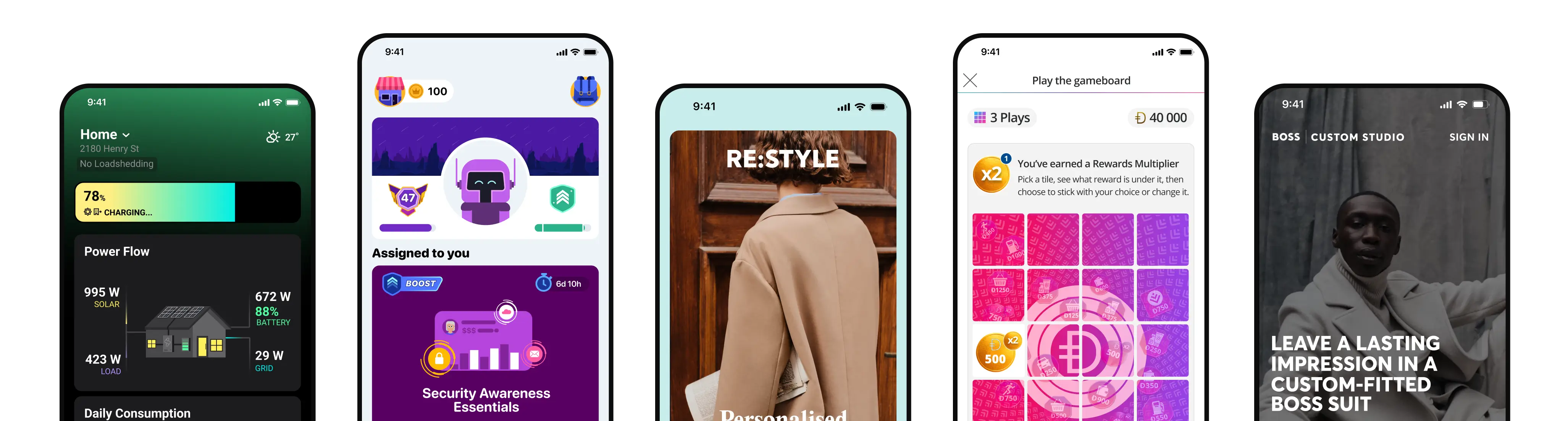
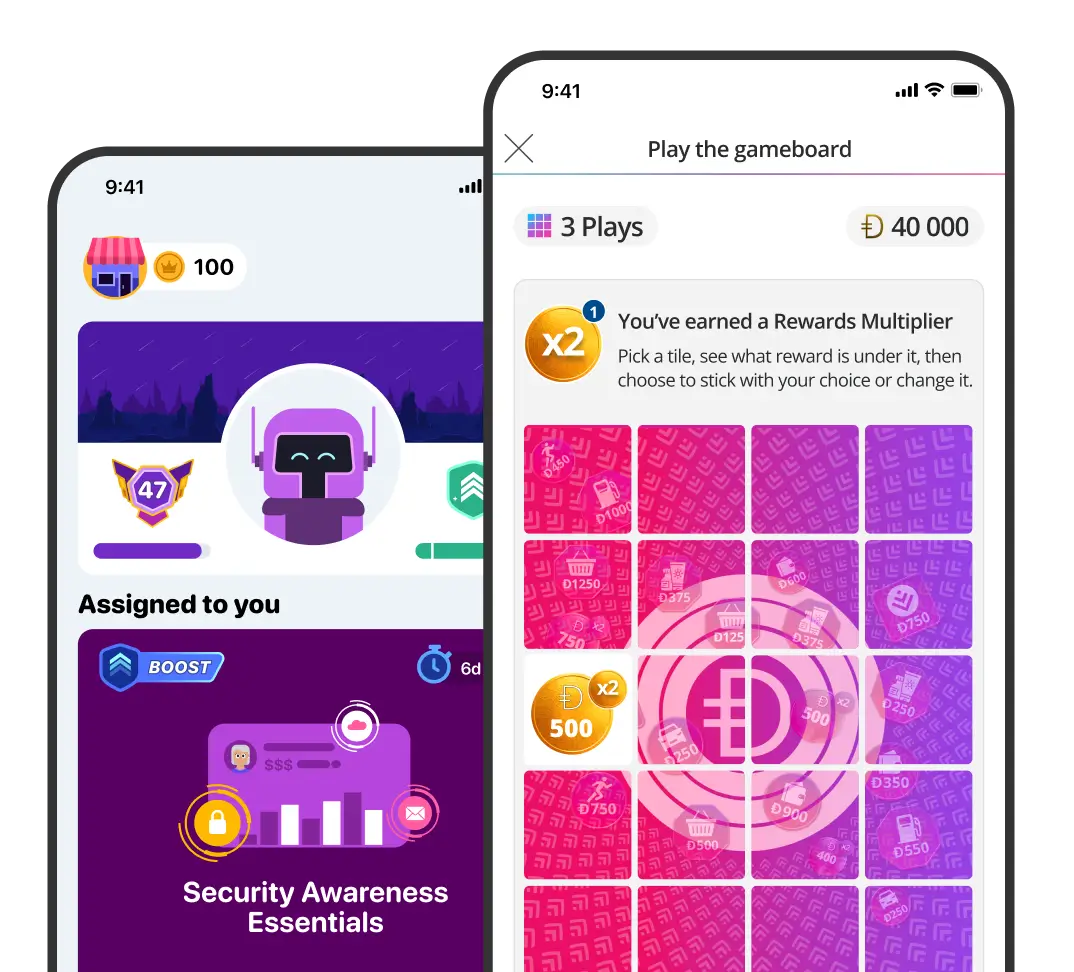
Amplify existing Software foundations
Strong design and engineering standards let organisations use AI to increase velocity, strengthen consistency, and raise system quality.
Without standards, AI simply accelerates fragility, security exposure, and technical debt.
// The difference is not the tool.
// The difference is the standard applied.
How AI Augments Designers and Engineers
AI expands capacity and accelerates iteration while designers and engineers retain full control over architecture, decisions, and outcomes.
The capabilities break into four areas.
// Quality, Security, and Governance
Test case expansion and validation
UI, unit, and integration coverage generation
Regression automation
Log analysis and defect reproduction
Root cause identification
// Model Evaluation and Integration
Alignment to domain requirements
Data sensitivity and governance boundaries
Performance characteristics
Integration constraints
The Glucode AI Adoption Framework
Four deliberate stages move AI adoption from understanding to disciplined integration.
Education
Establishes shared understanding of AI capabilities, limitations, and practical implications for design and engineering teams.
Alignment
Defines objectives, governance boundaries, risk tolerance, and measurable outcomes before integrating AI into production systems.
Strategy
Translates intent into architectural direction. Defines where AI adds value, where it does not, and how it integrates into existing systems.
Solution
Evaluates options and defines the complete system before execution begins. Integration is intentional, not experimental.
CHANGE MANAGEMENT
Successful AI adoption requires more than technology. It requires changes in how teams work, how decisions are made, and how software systems evolve.
AI introduces new workflows, new capabilities, and new expectations across design, engineering, and operations. Without deliberate change management, tools are adopted inconsistently, governance breaks down, and early gains fail to scale.
Change management ensures teams understand where AI fits, how it should be used, and how responsibilities shift as capabilities evolve.
Proven in Practice
These tools, APIs, and models are used daily in production environments for both partner work and internal products.
Selection always prioritises architectural fit, governance, and system constraints rather than market trends.
OpenAI (ChatGPT, Codex)
General-purpose language models for code generation, analysis, and text processing.
Anthropic (Claude Code, Sonnet, Opus)
Language models applied to engineering workflows, code review, and structured reasoning.
xAI (Grok series, Imagine)
Language and image generation models for conversational AI and visual content tasks.
Google (Gemini, AI Studio, Anti Gravity)
Multimodal models and development environments for cross-format AI integration.
Moonshot (Kimi)
Long-context language model designed for extended document analysis and retrieval.
Cursor
Agentic AI IDE that embeds model-assisted editing directly into the development environment.
GitHub Copilot
AI pair programming tool that generates code suggestions inline during implementation.
TensorFlow
Machine learning framework for model training, evaluation, and production deployment.
Hugging Face (Llama, open-source models)
Model hub and inference library providing access to open-source architectures.
LLM Frameworks (RubyLLM, LangChain)
Orchestration libraries for chaining model calls, managing prompts, and integrating retrieval pipelines.
Azure OpenAI, AWS Bedrock
Cloud-hosted model APIs with enterprise authentication, scaling, and compliance controls.
Azure Cognitive Services, Agent SDKs
Pre-built AI services and agent development kits for vision, speech, language, and autonomous task execution.